
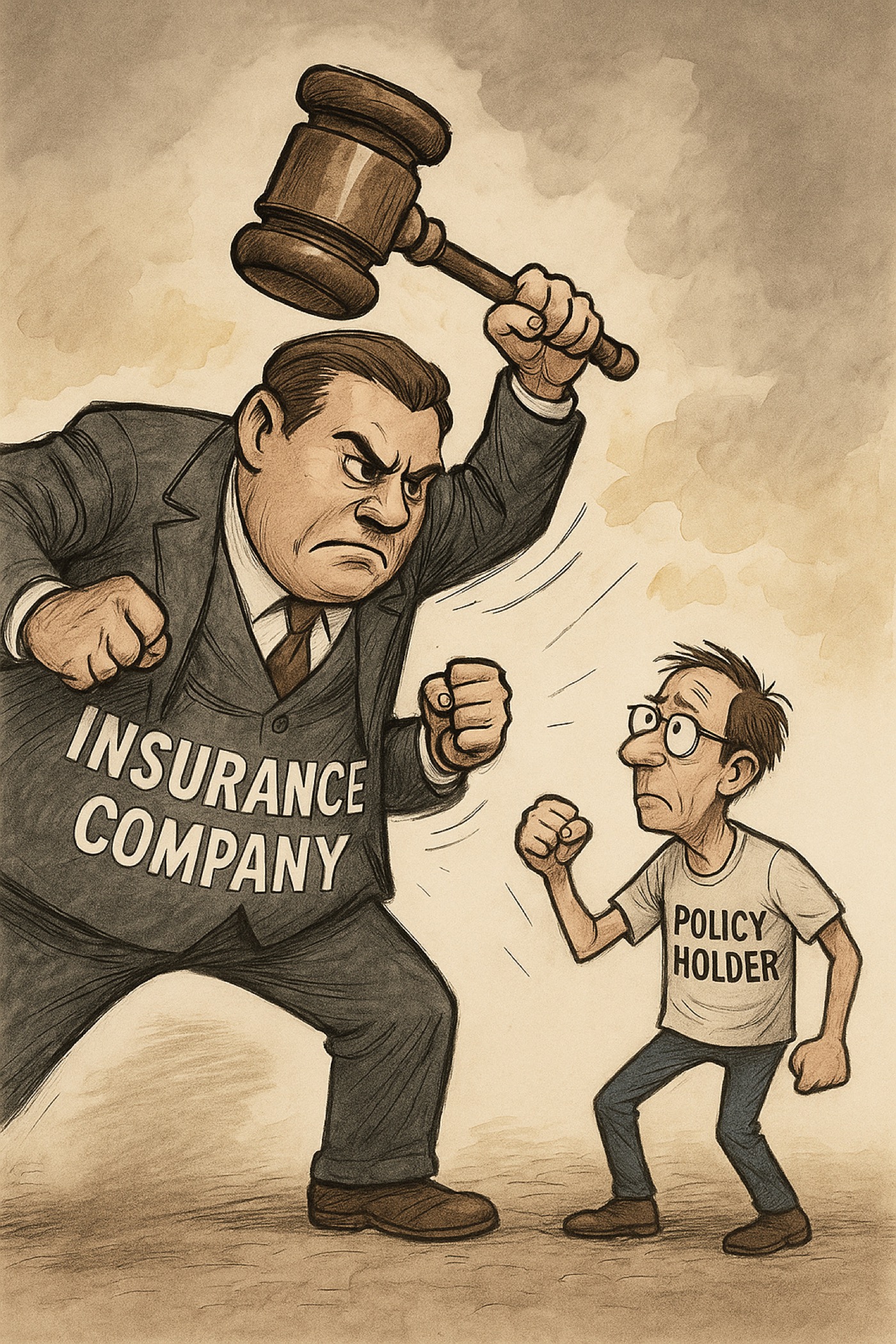
Public Adjuster vs Insurance Appraisal

Which Claim Path Fits Your Ohio Property Insurance Dispute?

KCC helps Ohio policyholders separate public adjusting issues from insurance appraisal issues when fire, smoke, wind, hail, roof, siding, storm, or underpaid claim disputes are not moving cleanly.

Role Comparison

Public Adjuster, Appraisal, Or Attorney Review?

The right path depends on whether the problem is claim development, documentation, carrier communication, coverage, legal interpretation, or the amount of covered damage.

The claim is new, underdocumented, delayed, or confusing

Public Adjuster Signal

A public adjuster can help document the loss, review the policyholder file, prepare estimates, communicate with the carrier, and organize the claim before the dispute hardens.

Appraisal Signal

Appraisal is usually premature until coverage and the disputed amount of covered damage are clearer.

Next Step

Start with policyholder-side claim review and documentation.

Review related help

Coverage is accepted, but the carrier estimate is too low

Public Adjuster Signal

A public adjuster can identify omitted scope, missing rooms, low pricing, depreciation issues, supplement gaps, and evidence the carrier did not include.

Appraisal Signal

Insurance appraisal may fit if the remaining disagreement is the amount of covered loss rather than legal coverage.

Next Step

Review the file for both supplement strategy and appraisal fit.

Review related help

The carrier denied the claim or cites an exclusion

Public Adjuster Signal

A public adjuster can help organize photos, estimates, reports, and claim communications, but legal coverage questions may need attorney review.

Appraisal Signal

Appraisal generally does not decide whether the policy covers the loss at all.

Next Step

Separate denial language from valuation issues before choosing a path.

Review related help

Fire, smoke, wind, hail, roof, or siding damage is partly paid

Public Adjuster Signal

A public adjuster can compare the carrier payment against the damage file, contractor pricing, contents, ALE, matching, repairability, and supplements.

Appraisal Signal

Appraisal may fit if the carrier accepts covered damage but the remaining dispute is scope, pricing, quantity, repairability, matching, or amount of loss.

Next Step

Audit the payment package before treating it as final.

Review related help

The only remaining fight is the amount of covered damage

Public Adjuster Signal

Public adjusting may still support file organization and valuation, depending on the claim posture and policy language.

Appraisal Signal

This is the clearest appraisal-review signal when coverage is accepted and the dispute is valuation.

Next Step

Build an itemized amount-of-loss position before invoking appraisal.

Review related help

Decision Signals

Before You Invoke Appraisal, Separate The Dispute Type

Use public adjusting first when the file needs development

If photos, estimates, reports, contents, mitigation records, ALE, contractor pricing, or claim communications are incomplete, the first problem is usually claim documentation and presentation.

Review this issue

Review appraisal when coverage is accepted but value is disputed

If the carrier agrees there is covered damage but the dollar amount is too low, the dispute may involve amount of loss, scope, pricing, quantities, matching, repairability, or contents valuation.

Review this issue

Pause before appraisal when coverage questions remain

Denials, exclusions, policy interpretation, causation fights, late notice positions, or legal rights questions should be separated from valuation before appraisal is treated as the answer.

Review this issue

Review payment language before closing the claim

A check, supplement, depreciation payment, or final settlement letter can change the next step. Review the payment package before assuming the claim is done.

Review this issue

Claim Type Paths

Fire, Wind, Hail, Roof, And Siding Disputes Need Different Evidence

Fire and smoke claims

Fire disputes often need public adjuster review for smoke spread, soot, odor, contents, cleaning, ALE, mitigation, rebuild pricing, and scope before appraisal is considered.

Open claim path

Wind damage claims

Wind disputes may involve wear-and-tear positions, lifted shingles, siding damage, storm-created openings, interior leaks, repairability, and amount-of-loss issues.

Open claim path

Hail damage claims

Hail disputes may involve cosmetic positions, below-deductible estimates, roof impacts, siding cracks, gutters, soft metals, matching, repairability, and appraisal fit.

Open claim path

Roof and siding claims

Roof and siding disputes often need careful review of matching, discontinued materials, repair practicality, exterior elevations, interior leaks, and carrier estimate omissions.

Open claim path

Review File

What KCC Reviews Before Recommending A Claim Path

A clean path decision depends on the policy, the carrier position, the damage evidence, and whether the dispute is coverage, documentation, payment, or valuation.

Policy and declarations page
Carrier estimate and payment letter
Denial, partial denial, reservation, or final payment language
Photos and videos by room, slope, elevation, or damaged item
Contractor estimates, invoices, and supplement requests
Engineer, ITEL, lab, mitigation, or inspection reports
Contents inventory, ALE records, and emergency service invoices
Claim timeline, adjuster emails, and claim number

FAQs

Public Adjuster And Insurance Appraisal Questions

Is a public adjuster the same as an insurance appraiser? +
No. A public adjuster represents the policyholder in claim documentation, estimate review, communication, and claim advocacy. An insurance appraiser is usually part of an appraisal process used to resolve the amount of a covered loss when valuation is disputed.
Should I hire a public adjuster or invoke appraisal first? +
Do not treat appraisal as automatic. If the claim needs documentation, estimate review, supplement support, or carrier communication, public adjusting may be the first step. If coverage is accepted and the only remaining fight is the value of covered damage, appraisal may fit.
Can KCC help decide whether appraisal fits my Ohio claim? +
Yes. KCC can review the policyholder file, carrier estimate, payment letter, photos, contractor estimate, and dispute posture to help separate public adjusting issues from appraisal-fit issues.
Does appraisal decide if my denied claim is covered? +
Generally, appraisal focuses on valuation and amount of loss. If the carrier denied coverage, cited exclusions, or raised legal policy questions, those issues should be reviewed separately and may require attorney advice.
Can a fire, wind, or hail claim need both public adjusting and appraisal review? +
Yes. A claim may need public adjusting to organize and present the file, then appraisal review if coverage is accepted but the amount of loss remains disputed.

Start Your Claim Process Now & Get Inspection Priority Today!