
Ohio Fire and Smoke Damage Claim Guide
Jul 7 • Updated Jul 8
Keathley Claims Consultants is an Ohio public adjusting firm. Ohio Public Adjuster License #1367111.
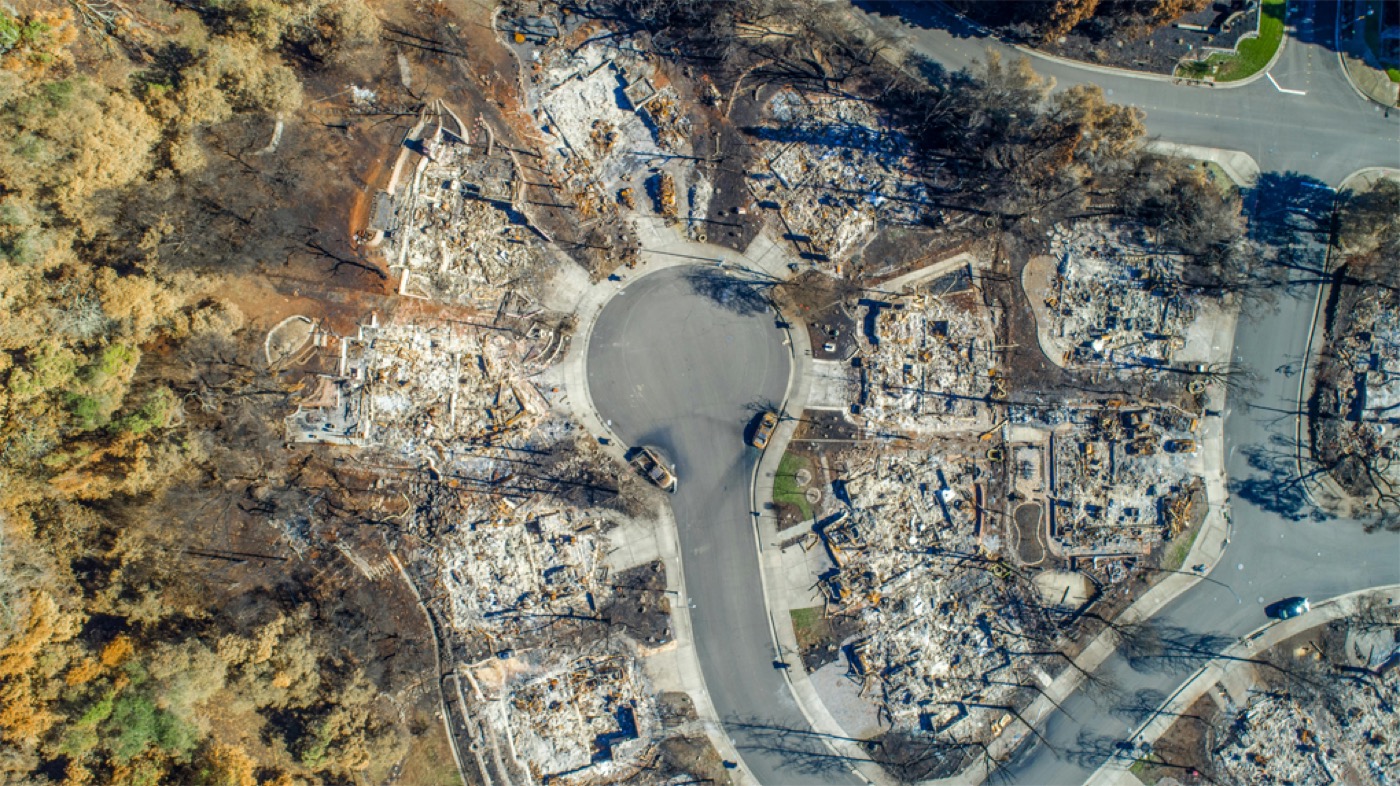
A fire insurance claim is rarely limited to the burned room. Smoke, soot, odor, water used to extinguish the fire, emergency board-up, mitigation, contents, cleaning, demolition, rebuild pricing, and additional living expenses can all become part of the final claim value.
That is why Ohio fire and smoke damage claims often become underpaid or disputed. The first insurance estimate may accept coverage but still miss major parts of the loss.
Keathley Claims Consultants helps Ohio policyholders with fire and smoke damage claim help, Northern Ohio fire and smoke claim help, Ohio insurance appraisal services, and Northern Ohio public adjusting when a fire claim is underpaid, delayed, denied, or incomplete.
Why fire and smoke claims are different
Fire claims usually involve more moving parts than a simple exterior storm claim. Multiple vendors may touch the property before the full damage is understood. Emergency services, mitigation, testing, cleaning, contents handling, demolition, rebuild estimates, code items, and temporary housing can all overlap.
Common fire claim categories include:
- Structural burn damage
- Smoke and soot spread
- Odor removal and treatment
- Contents cleaning, storage, inventory, and replacement
- Emergency board-up, tarping, and mitigation
- Water damage from firefighting efforts
- Electrical, plumbing, HVAC, and insulation concerns
- Demolition and rebuild scope
- Additional living expense or loss of use
- Code upgrades, permits, labor, and local repair pricing
If these categories are not documented clearly, the carrier estimate may look organized while still leaving the policyholder short.
Smoke and soot can travel beyond the burn area
One of the most common underpayment problems is an estimate that focuses only on visible fire damage. Smoke and soot can move into rooms, closets, attics, wall cavities, ductwork, insulation, contents, and mechanical systems away from the source of the fire.
Areas to review include:
- Walls, ceilings, trim, cabinets, flooring, and fixtures
- HVAC registers, returns, filters, ductwork, and equipment
- Attics, insulation, framing, and concealed spaces
- Clothing, furniture, electronics, appliances, and personal property
- Odor conditions after initial cleaning
- Rooms that were closed or partially separated from the burn area
Smoke documentation should happen before cleaning, demolition, or disposal changes the evidence.
Contents and personal property issues
Contents can make a fire claim more complicated fast. The carrier may ask for inventories, age, replacement cost, actual cash value, receipts, photos, cleaning reports, and disposal records.
Policyholders should organize:
- Photos or video walkthroughs before items are moved
- Room-by-room contents lists
- Replacement cost information for major items
- Cleaning, storage, pack-out, and pack-back invoices
- Items that are unsafe, contaminated, melted, smoke-damaged, or not restorable
- Communications about salvage, disposal, and inspection access
Do not throw away damaged property before it is documented unless safety or mitigation professionals require it. If disposal is necessary, photograph the items and keep records.
Additional living expense and loss of use
After a serious fire, the home may not be safe to occupy. Additional living expense can become a major part of the claim, especially when repairs take longer than expected.
Track:
- Hotel, rental, or temporary housing costs
- Meal, laundry, storage, and mileage expenses
- Pet boarding or other necessary temporary costs
- Dates the home was unsafe or unavailable
- Carrier approvals, limits, deadlines, and payment explanations
Temporary living costs should be documented separately from structure and contents. They can be underpaid when the policyholder does not keep receipts or when the carrier does not clearly explain what is covered.
Mitigation, cleanup, and rebuild scope
Fire claims often involve a gap between mitigation and rebuild. One company may handle emergency cleanup, another may write a reconstruction estimate, and the carrier may issue a separate estimate that does not match either scope.
Review whether the claim accounts for:
- Board-up, tarping, temporary power, and emergency services
- Smoke cleaning, odor treatment, and contents handling
- Demolition, debris removal, and access
- Drywall, paint, flooring, cabinets, trim, roofing, siding, or exterior repair
- Electrical, plumbing, HVAC, insulation, and mechanical work
- Local labor rates, permits, code items, and overhead
The final claim should make sense as a complete recovery plan, not a stack of disconnected estimates.
When a fire claim is denied or delayed
Some fire claims involve coverage questions, investigation delays, requests for examinations under oath, cause-and-origin issues, vacancy concerns, maintenance allegations, or policy condition disputes. KCC is not a law firm and does not provide legal advice, but claim documentation still matters.
If the carrier delays, denies, or limits the claim, organize:
- The denial or reservation-of-rights letter
- The exact policy language cited by the carrier
- Inspection reports, cause-and-origin reports, and expert reports
- All requests for documents or recorded statements
- Photos, videos, invoices, receipts, and communications
- A timeline of the fire, reporting, inspections, payments, and requests
Legal coverage issues should be discussed with an attorney. Claim scope, estimating, documentation, and valuation issues can often still be reviewed from the policyholder side.
When appraisal may apply
Insurance appraisal may be worth discussing when the insurance company accepts coverage for the fire or smoke loss but the amount remains disputed. Appraisal generally addresses the value of the covered loss, not every legal coverage question.
Fire and smoke appraisal disputes may involve:
- Structure repair pricing
- Smoke and soot cleaning scope
- Odor treatment
- Contents valuation
- Mitigation, demolition, and rebuild costs
- Additional living expense documentation
- Code items and local pricing
For a deeper appraisal overview, see KCC’s Ohio property claim appraisal guide for fire, wind, and hail disputes and Ohio insurance appraisal services.
Local Ohio fire claim help
KCC is based in Wellington and serves policyholders across Northern Ohio and statewide Ohio. Relevant local pages include:
- Northern Ohio fire and smoke claim help
- Cleveland fire and smoke claim help
- Lorain County fire and smoke claim help
- Akron-Canton fire and smoke claim help
- Youngstown fire and smoke claim help
- Columbus fire and smoke claim help
- Wellington fire and smoke claim help
For more detail on regional underpayment patterns, see why fire and smoke damage claims get underpaid in Northern Ohio.
Bottom line
If an Ohio fire or smoke damage claim is underpaid, delayed, denied, or incomplete, do not treat the first estimate as the final recovery plan. Review the structure, smoke, soot, odor, contents, cleanup, temporary housing, mitigation, and rebuild scope together.
For help reviewing a fire claim, start with Ohio fire and smoke damage claim help or call Keathley Claims Consultants at (419) 504-1601.
Tags