
Northern Ohio Wind and Hail Damage Claim Guide
Jul 7 • Updated Jul 8
Keathley Claims Consultants is an Ohio public adjusting firm. Ohio Public Adjuster License #1367111.
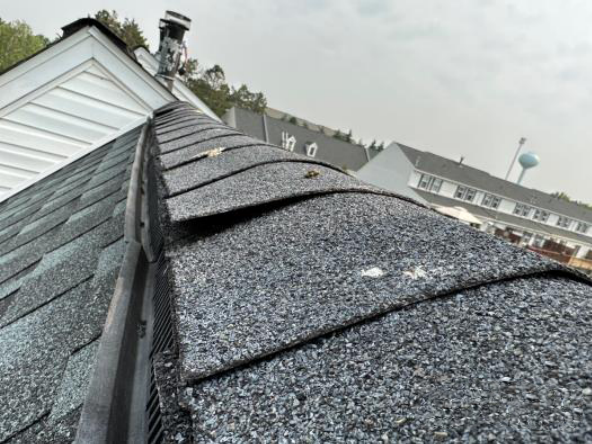
Wind and hail claims in Northern Ohio can move from simple to disputed quickly. A storm hits, the roof or siding looks damaged, a contractor sees enough damage to write a meaningful repair scope, and the insurance company estimate still comes back too low, below deductible, delayed, or partially denied.
The problem is usually not one single line item. It is often the full pattern of damage: roof surfaces, siding elevations, gutters, downspouts, windows, soft metals, interior leaks, matching issues, repairability, and local pricing all need to be reviewed together.
Keathley Claims Consultants helps policyholders with Ohio wind and hail damage claim help, Northern Ohio wind damage claim help, Northern Ohio hail damage claim help, and Northern Ohio public adjusting.
Why Northern Ohio storm claims get disputed
Northern Ohio properties deal with lake-effect weather, spring and summer hail, high wind, freeze-thaw cycles, older roofing systems, mixed siding materials, and repeated storm exposure. That gives insurance companies several common arguments when they want to limit the claim.
Common dispute points include:
- The carrier says lifted or creased shingles are age, wear and tear, or poor installation.
- Hail impacts are called cosmetic or below deductible.
- Siding damage is treated as spot repair only.
- Gutters, downspouts, window wraps, fascia, vents, and soft metals are ignored.
- Interior ceiling or wall staining is separated from the storm.
- Matching and discontinued materials are not addressed.
- The estimate leaves out labor, waste, access, steep charges, code items, overhead, or local pricing.
- The claim drifts into repeated inspections and supplements without a complete scope.
If the insurance estimate does not match the damage pattern, the claim needs a better review before the first payment is treated as final.
What to document after wind or hail damage
Good storm documentation starts with the date of loss and the visible damage, but it should not stop there. The strongest file shows the carrier what happened, where it happened, and why the scope of repair is larger than the first estimate.
For a Northern Ohio wind or hail claim, organize:
- Date and approximate time of the storm
- Photos of roof slopes, ridge caps, vents, pipe boots, flashing, and accessories
- Photos of siding elevations, corners, window wraps, screens, and garage doors
- Gutters, downspouts, fascia, trim, and other soft metals
- Interior stains, leaks, insulation damage, drywall damage, flooring damage, or trim damage
- Contractor estimates, inspection photos, and repair recommendations
- Carrier estimate, payment letters, denial letters, and engineer reports
- Temporary repair invoices, tarp invoices, mitigation invoices, and receipts
- Prior claim information if the carrier raises old damage as an issue
The goal is to keep the file specific. “Storm damage” is too broad. The claim should identify what material was damaged, where it was damaged, what repair is needed, and what the insurance estimate missed.
Roof damage issues
Roof disputes often turn on causation and repairability. The insurance company may acknowledge a few missing shingles but deny lifted, creased, bruised, or torn materials. Or the estimate may call for a small repair even when the roof condition, slope, material availability, or surrounding damage makes that repair unrealistic.
Issues to review include:
- Missing, torn, creased, folded, or lifted shingles
- Hail bruising, granule loss, ridge cap damage, and accessory damage
- Storm-created openings and interior water damage
- Whether the proposed repair can actually restore the roof
- Whether materials are available and reasonably match
- Whether code, labor, waste, steep, and access items are included
KCC has a dedicated page for Northern Ohio wind damage claim help when the dispute centers on wind, age, wear and tear, installation, or maintenance arguments.
Siding, gutters, and exterior damage
Hail and wind claims are often underpaid when the roof gets all the attention and the exterior system is treated as an afterthought. Siding, gutters, downspouts, fascia, screens, window wraps, and garage doors can show the direction and severity of the storm.
Siding disputes often involve:
- Cracks, chips, punctures, dents, or broken corners
- Wind-lifted or missing panels
- Discontinued materials or poor matching options
- Elevation-by-elevation repair disputes
- Damage that is visible on one side of the property but ignored elsewhere
For hail-specific disputes, see KCC’s Northern Ohio hail damage claim help and the article on Ohio hail damage cosmetic denials.
Interior leaks after a storm
Interior damage can be missed when the carrier inspection focuses only on the roof. If wind or hail creates an opening, water may affect ceilings, walls, insulation, flooring, trim, contents, or electrical components.
Policyholders should document interior stains and moisture conditions quickly. Waiting too long can give the carrier room to argue that later weather, maintenance, or unrelated issues caused the damage.
The interior portion of the claim should be tied back to the storm date, exterior damage, and repair scope wherever the facts support that connection.
When the carrier says wear and tear
“Wear and tear” is one of the most common ways a wind claim gets reduced or denied. Age may exist, especially on older Northern Ohio roofs, but age does not automatically answer whether a covered storm caused direct physical damage.
When that argument appears, review:
- Before-and-after condition where available
- Storm reports and timing
- Damage pattern across slopes and elevations
- Photos from the carrier, contractor, engineer, and policyholder
- Whether the estimate separates covered and excluded damage clearly
- Whether interior damage supports storm-created openings
For more detail, see KCC’s guide on what to do when insurance says Ohio wind damage is wear and tear.
When appraisal may apply
Insurance appraisal may be worth discussing when coverage has been accepted but the amount of the covered loss is disputed. In wind and hail claims, that can include roof scope, siding scope, matching, repairability, soft metals, interiors, labor, waste, and pricing.
Appraisal is generally about the value of the covered loss. It may not solve every coverage denial, exclusion, legal dispute, or policy interpretation issue. Those questions should be discussed with an attorney.
KCC provides Ohio insurance appraisal services and has a broader Ohio property claim appraisal guide for fire, wind, and hail disputes.
Local Northern Ohio storm claim help
KCC is based in Wellington and serves Northern Ohio and statewide Ohio. Local storm claims can involve different contractor availability, permit requirements, material costs, and inspection patterns depending on the market.
Relevant local pages include:
- Cleveland wind and hail claim help
- Lorain County wind and hail claim help
- Akron-Canton wind and hail claim help
- Toledo wind and hail claim help
- Youngstown wind and hail claim help
- Wellington wind and hail claim help
- Northern Ohio wind damage claim help
- Northern Ohio hail damage claim help
Bottom line
If a Northern Ohio wind or hail claim is underpaid, delayed, denied, or stuck in supplement cycles, do not assume the carrier estimate is complete. Review the roof, siding, exterior, interior, matching, repairability, and pricing issues as one claim file.
For help reviewing a disputed storm claim, start with Ohio wind and hail damage claim help or call Keathley Claims Consultants at (419) 504-1601.
Tags