Wind Damage

Ohio Wind Damage Claim Help

Wind damage claims often turn into disputes over what the storm caused, what was pre-existing, and whether the insurance estimate includes the full repair scope. Missing shingles, lifted shingles, creased tabs, damaged siding, loose fascia, damaged gutters, storm-created openings, and interior water damage can all affect the value of the claim. Keathley Claims Consultants helps Ohio policyholders document wind damage, review carrier estimates, organize the claim file, and push back when a wind claim is underpaid, delayed, denied, or incomplete.

Ohio Public Adjuster License #1367111 | Based in Wellington, Ohio | Serving Northern Ohio and statewide Ohio | Call (419) 504-1601

Claim Help

What Carriers Typically Cut On An Ohio Wind Damage Claim

Wind claims are often reduced to a few missing shingles. The cuts that matter are uplift that is called wear and tear, related siding and edges that never get inspected, and interior water that is split off because no one photographed the opening.

Lifted or creased shingles are called wear and tear.

Missing shingles are priced as isolated repairs.

Siding, fascia, gutters, vents, and accessories are missed.

Interior water damage is treated as unrelated.

Storm-created openings are not documented clearly.

Matching, discontinued materials, and repairability are ignored.

Labor, steep charges, waste, code items, or overhead are missing.

The estimate does not reflect local repair pricing.

Damage KCC Reviews

Common Wind Damage Issues

Roof Wind Damage

Wind can lift, crease, tear, fold, or remove shingles and expose the roof system to water intrusion. Roof damage needs photo documentation, slope-by-slope review, and a scope that reflects what is actually needed to restore the property.

Siding, Gutters, Fascia, and Exterior Damage

Wind may loosen siding, remove trim, damage fascia, pull gutters, and affect exterior accessories. These items are often missed when the first inspection focuses only on the roof.

Storm-Created Openings

A wind-created opening can allow water into ceilings, walls, insulation, flooring, and contents. Interior damage should be tied back to the storm event with clear photos and claim documentation.

Repair Scope, Matching, and Pricing

Wind damage disputes often involve whether a repair is practical, whether materials match, and whether the estimate includes the full labor and material scope required in the local market.

Documentation

What To Photograph On An Ohio Wind Damage Claim

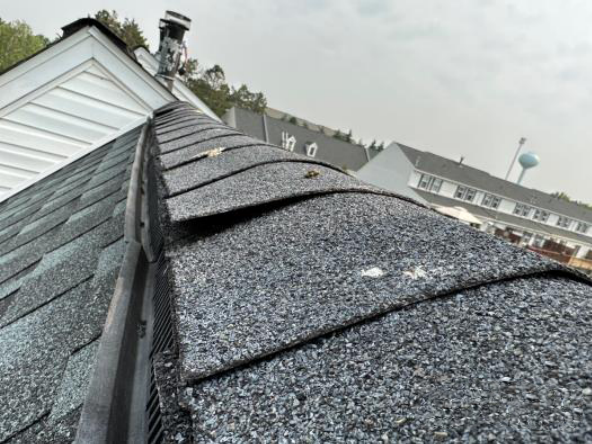
Wind leaves a mechanical story: lifted tabs, creased shingles, missing ridge, loosened siding, and sometimes a hole that let rain in. Photograph that story before a tarp or a repair crew changes it.

Lifted, creased, torn, or missing shingles on each slope

Get close enough to show creased tabs and exposed fastener lines, then step back so the slope is identifiable. Wind damage is often denied as “old” when the only photo in the file is a wide roof shot from the driveway.

Ridge cap, flashings, and the edges wind actually works

Ridges, rakes, eaves, and step flashings are where uplift starts. Photograph damaged ridge, kicked drip edge, and loose flashing. Isolated field-shingle repairs miss these failure points.

Siding, soffit, fascia, and gutters pulled by wind

Wind claims are not roof-only. Photograph detached vinyl, bent aluminum, missing soffit panels, and gutters pulled from the board. Those items are easy to skip when the adjuster came for “a few shingles.”

The opening and the interior leak it created

If rain entered after the wind event, photograph the opening, the attic above the stain, and the ceiling or wall below. The carrier may accept a shingle and deny the interior unless that path is in the photos.

Matching, Code, And ALE

When Matching, Code, And ALE Matter On A Wind Claim

Wind often damages one slope or one wall. The repair question is whether that piece can be put back without a mismatch, a code problem, or a house that cannot be occupied.

Matching a wind-damaged slope or elevation

New shingles on one slope, or new siding on the windward wall, can leave a color and profile break. Whether the policy requires a reasonable match is a policy-language question. A material-identification report does not answer it by itself.

Code items triggered by a roof or sheathing repair

If decking is replaced or a large roof area comes off, the repair may need current underlayment, fasteners, or ventilation to be permitted. Those costs belong in the conversation when the building official or the manufacturer requires them — not as a later surprise.

ALE after a wind-created opening

ALE is uncommon on a missing-shingle claim and common when the roof or a wall opening makes the home unsafe. Extra living costs need dates, receipts, and a repair plan that matches how long the opening actually lasts.

Before Accepting The Estimate

What To Review Before Accepting A Wind Estimate

Wind estimates often price a handful of shingles. The review is whether uplift, related exterior pieces, and the interior leak were treated as one loss.

1

Count slopes and edges, not just missing tabs

If ridge, rake, or flashing damage is in the photos and not in the estimate, the scope is incomplete even if a few field shingles were paid.

2

Put siding, soffit, and gutters back on the same claim

Wind that takes shingles often works the walls. An estimate that never leaves the roof is a signal to keep reviewing.

3

Connect interior stains to the wind event

Dates, attic photos, and the opening above the room matter more than a later argument that “roofs leak sometimes.”

4

Watch depreciation on a thin repair scope

A small actual-cash-value check can hide both a missing replacement scope and a holdback. Read the depreciation line before you treat the check as the job budget.

5

Get the file reviewed from the policyholder side

KCC inspects the wind damage, reviews the policy, documents the scope, and deals with the carrier when the first number will not restore the property.

Documentation

Wind Damage Documents That Belong In The File

Wind claims are won or lost on whether the file shows a storm event or a worn roof. Keep the storm date, the uplift photos, and the interior leak on the same timeline.

1

Claim letters that use wear-and-tear language

Save the exact sentences that call the damage old, installed wrong, or maintenance. Those sentences define the dispute.

2

Uplift photos and contractor notes from the roof

Creased tabs, missing ridge, and exposed nails should be labeled by slope. Ground-only inspections are a recurring problem on Ohio wind claims.

3

Interior leak and attic documentation

Photograph the stain, the insulation, and the roof area above it. Keep tarp invoices with the same date sequence as the storm.

4

Estimates, depreciation pages, and matching notes

Keep the carrier estimate, any contractor scope, and any material-matching report together so the first check can be compared to the real repair.

Client Results

Published Outcome Examples Related To Wind Damage Claims

These examples are published client story summaries from KCC. Results vary by policy, damage, documentation, carrier position, deductible, depreciation, timing, and claim facts.

Wind damage property insurance claim

Wind damage settlement increase example

$86,959.37 settlement increase and 239% increase

A published KCC client story describes a wind damage claim involving a metal roof and debris damage where the settlement increased by $86,959.37.

Read client story

Wind damage and interior water property insurance claim

Interior water from wind damage example

$18,513.70 settlement increase and 5,866% increase

A published KCC client story describes a wind damage claim where interior water damage also mattered and the settlement increased by $18,513.70.

Read client story

Winter wind damage property insurance claim

Winter wind damage settlement increase example

$33,017.08 settlement increase and 4,543% increase

A published KCC client story describes a winter wind claim where shingles revealed storm damage and the settlement increased by $33,017.08.

Read client story

Claim Guides

More Help For Wind Damage Claims

Wind Claim Guide

When Wind Damage Is Denied As Wear And Tear

Wind claims are often minimized as age, wear and tear, installation, or maintenance. This guide explains how policyholders can organize the claim file.

Read Wind Denial Guide

Storm Claim Guide

Northern Ohio Wind And Hail Claim Steps

Review storm damage documentation steps for roof, siding, exterior, interior leak, and carrier estimate disputes after severe weather.

Review Storm Steps

Claim Help

How KCC Helps On An Ohio Wind Damage Claim

KCC inspects uplift, edges, and any opening the wind created. We review wear-and-tear language in the denial, document siding and interior leaks that never made the first estimate, and communicate with the carrier from the policyholder’s side.

KCC documents the damage, reviews the policy, builds the claim position, and communicates with the carrier when the insurance estimate does not match the real loss. Ohio roofing and restoration contractors who see that same estimate gap can review how KCC works with contractor partners on disputed claims. Call (419) 504-1601.

Call KCC When

  • The insurance company says the wind damage is old or wear and tear.
  • The estimate only pays for a few shingles or a small repair.
  • Your contractor found more damage than the carrier estimate includes.
  • Siding, gutters, fascia, or interior damage was missed.
  • The claim is delayed, denied, or below deductible.
  • The payment will not cover the repair scope.
  • Coverage is accepted but the amount of loss is disputed and appraisal may be needed.

Appraisal for Wind Damage Claim Disputes

If the carrier accepts that wind damage occurred but the amount being offered is too low, insurance appraisal may be an option. Appraisal generally focuses on the value of the covered loss, including disputed roof, siding, interior, repairability, matching, and pricing issues.

Learn about insurance appraisal services

Amount Of Loss Versus Coverage

When Appraisal Is The Wrong Tool On A Wind Damage Claim

Appraisal can be the right process when the carrier agrees wind caused covered damage and the remaining gap is how much roof, siding, or interior work that damage requires. It is the wrong process when the carrier says wind did not cause it.

The denial is wear and tear, installation, or maintenance

Lifted shingles blamed on age, nailing pattern, or “the roof was due” are coverage or causation arguments. Appraisal does not decide that the exclusion applies. Organize the storm-date evidence first.

The carrier says there was no storm-created opening

Interior water may be denied because the policy requires an opening created by the wind. That is a coverage condition, not a price disagreement. Photos of the opening and the leak path have to exist before anyone talks about an appraisal panel.

A requested proof of loss or suit limitation is the issue

Duties after loss and the time to file suit are policy-specific. Do not rely on a blanket filing window. If the dispute is whether you met a policy deadline, appraisal will not fix that.

Wind Damage Claim FAQ

What should I do after wind damages my roof or siding? +
Document the damage with photos, prevent further damage if safe, save contractor notes or estimates, and avoid treating the first carrier estimate as final before the full scope is reviewed.
Can KCC help if the insurance company says wind damage is wear and tear? +
Yes. KCC can review the damage, photos, estimates, and claim documents to help identify whether the carrier position appears to miss storm-related damage or undervalue the loss.
Does wind damage include interior water damage? +
It can. If wind created an opening that allowed water into the property, interior staining, drywall, insulation, flooring, trim, and contents may need to be documented as part of the claim.
When does appraisal apply to a wind damage claim? +
Appraisal may apply when coverage is accepted but the amount of the wind damage loss is disputed. It generally addresses valuation rather than legal coverage questions. It is the wrong tool while the carrier is denying wind as wear and tear or saying there was no storm-created opening.
Do Ohio wind claims have a one-year filing deadline? +
Only if your policy says so. Prompt notice, a requested proof of loss, and the suit-limitation clause are the dates that matter. Do not rely on a blanket one-year rule.

Start Your Claim Process Now & Get Inspection Priority Today!