
1
Photograph the tornado damage before cleanup or repairs
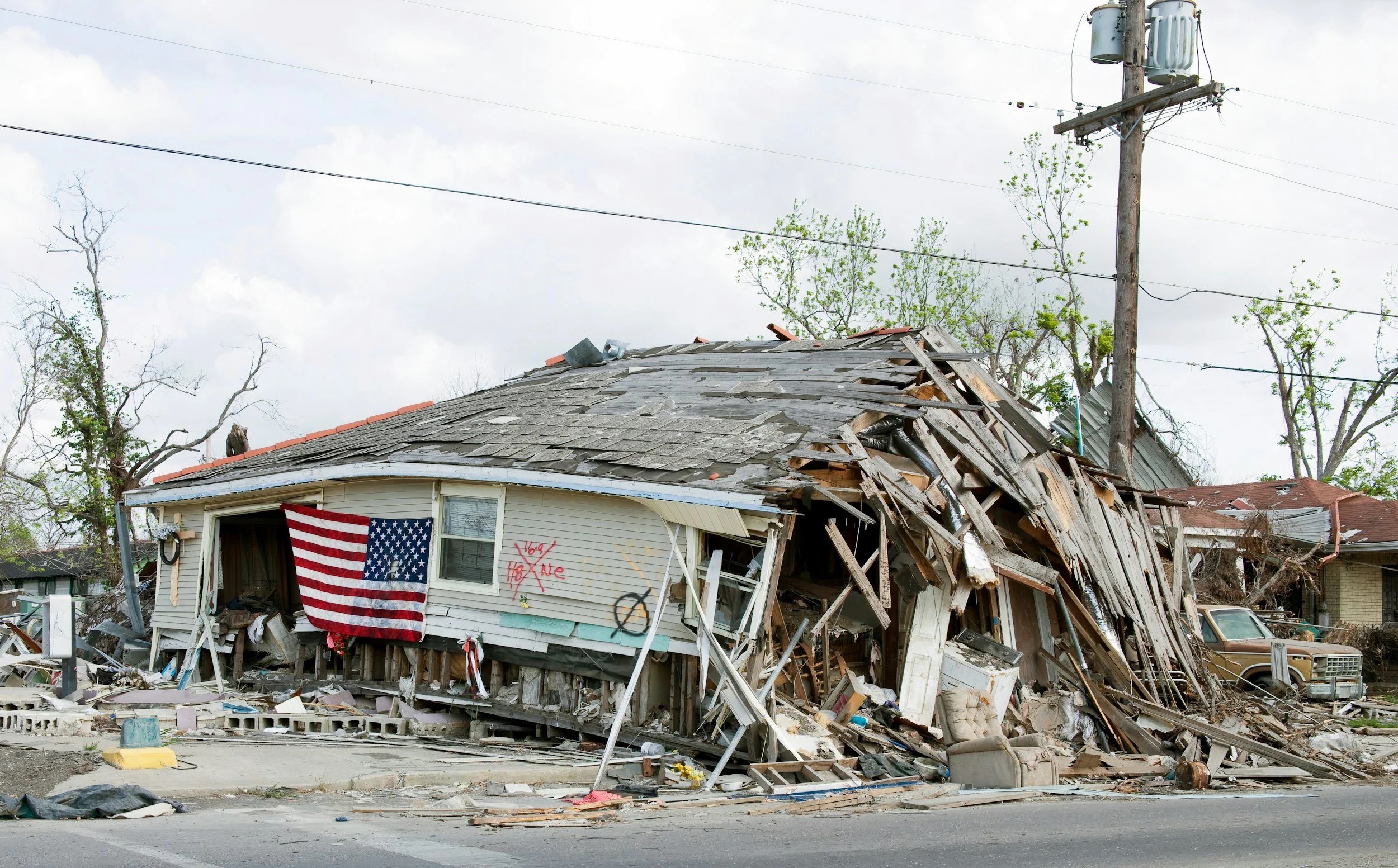
Take clear photos and video of the visible tornado damage, related exterior or interior damage, damaged materials, temporary repairs, and any areas the insurance estimate does not address.
Licensed Ohio Public Adjuster #1367111
Call (419) 504-1601
Tornados, no matter the size, can inflict tremendous damage to properties — from easy-to-see damage to windows and siding to harder-to-find damage to foundations. Dealing with your policy might make your head spin. You can rely on the team here at Keathley Claims Consultants to help you navigate your policy so you can be made whole again.
Before Accepting The Estimate
A low or incomplete estimate should be checked against the claim file before the payment is treated as final.
1
Take clear photos and video of the visible tornado damage, related exterior or interior damage, damaged materials, temporary repairs, and any areas the insurance estimate does not address.
2
Keep the carrier estimate, claim payment letter, deductible information, denial or partial denial language, emails, texts, adjuster notes, and any reservation or coverage letters in one file.
3
Review whether the insurance estimate includes the actual tornado damage repair scope, quantities, materials, labor, mitigation, contents, interior damage, matching, code, and pricing issues supported by the claim file.
4
Mark the items that appear missing, below deductible, priced too low, labeled old damage, labeled cosmetic, excluded, delayed, or left for a later supplement.
5
A licensed public adjuster can review the documents, organize the damage position, communicate with the carrier, and evaluate whether appraisal may fit an amount-of-loss dispute.
Documentation
A stronger review starts with the claim file. These documents help separate missing proof from coverage disputes, scope disputes, pricing issues, and amount-of-loss appraisal questions.
1
Save the date of loss, claim number, declarations page, full policy, deductible information, coverage letters, payment letters, reservation letters, and any denial or partial-denial language.
2
Document the tornado damage, related exterior and interior areas, damaged materials, temporary repairs, and any conditions that may change after mitigation or contractor work begins.
3
Keep the insurance estimate, contractor or mitigation estimates, supplements, scope notes, pricing differences, quantities, material notes, labor items, code items, matching issues, and repairability concerns.
4
Save emergency invoices, mitigation records, dry logs, inspection reports, engineer reports, material reports, contents inventories, receipts, storage invoices, and repair documentation.
5
Keep emails, texts, call notes, adjuster messages, inspection dates, missed deadlines, requests for information, and a short list of whether the issue is coverage, scope, pricing, documentation, or amount of loss.
Claim Help
KCC represents the policyholder, not the insurance company. The job is to help document the loss, review the claim position, organize evidence, and advocate for the policyholder during the claims process.
KCC documents the damage, reviews the policy, builds the claim position, and pushes back when the insurance estimate does not match the real loss.