
The Break And The Water Path
The claim starts at the failed pipe and follows saturation through ceilings, cabinets, and the rooms below. A second-floor line can ruin more than the utility closet.
Licensed Ohio Public Adjuster #1367111
Call (419) 504-1601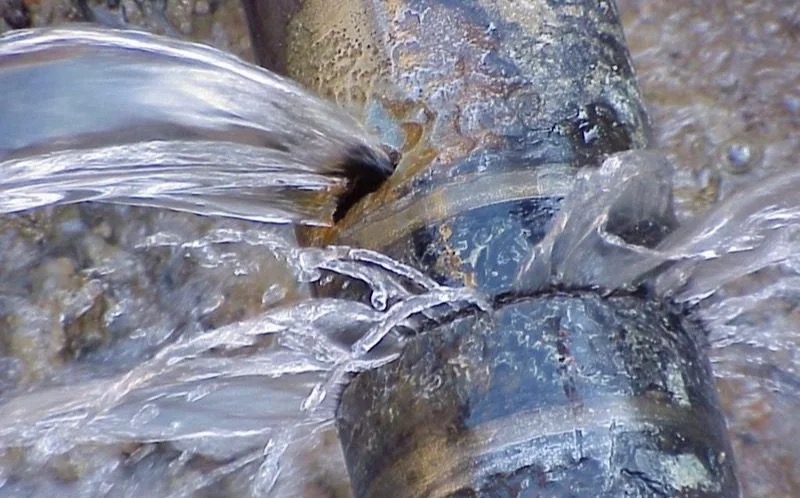
A burst pipe is a sudden release inside the plumbing system — a split supply line, a freeze break, a failed fitting. The water path is usually longer than the room where the plumber stood. Keathley Claims Consultants helps Ohio homeowners document that path, review the policy, and push back when the carrier prices an access hole and a dry-out while wet cavities, matching, and additional living expense are still open. We’re not attorneys or a law firm.
Ohio Public Adjuster License #1367111 | Based in Wellington, Ohio | Serving Northern Ohio and statewide Ohio | Call (419) 504-1601
Claim Help
Burst-pipe files move fast: shut the water off, call a plumber, start drying. The cuts happen when the carrier treats a sudden rupture like a long-term leak, or prices only the room that was obvious.
A sudden freeze or rupture is written up as seepage or wear.
The estimate pays for an access hole instead of the wet drywall, insulation, and subfloor.
Rooms below or beside the break never appear in the rebuild scope.
Flooring and cabinets are patched where a match is not possible.
Contents are depreciated or skipped while the structure check goes out.
Mold talk is used to shrink a sudden-water scope the policy still has to evaluate.
Additional living expense is denied because “only one room is wet.”
A vacancy or heat-off condition is used to end the claim before the water path is measured.
Damage KCC Reviews
The claim starts at the failed pipe and follows saturation through ceilings, cabinets, and the rooms below. A second-floor line can ruin more than the utility closet.
Drying a burst pipe often means opening cavities. Those openings are where insulation, electrical, and subfloor damage show up — and where they get closed too early.
Unheated lines and hard freezes are a regular Ohio fact. Whether the policy treats a freeze as a covered sudden failure or as a heat or vacancy problem is a policy-language question, not a guess from the first phone call.
Furniture, flooring, and whether the house still has water service decide both the contents claim and additional living expense. Those items belong in the same file as the plumber invoice.
Documentation
A burst pipe is a sudden-release claim. The useful photos show the failed pipe, the water’s path through the building, and the cavities that stay wet after the floor looks dry.
Photograph the rupture, ice if the line froze, the shutoff, and the surrounding framing before the plumber buries it again. The carrier later asks whether this was sudden or a long-term leak. The source photo is how you answer.
Follow staining, swelling, and saturation to the rooms below or beside the break. A second-floor supply line can damage the kitchen, the ceiling under it, and the contents in both rooms. The estimate often prices only the room where the plumber stood.
Once drywall is cut, photograph the cavity, wet insulation, and subfloor. Hidden damage is the part burst-pipe claims lose when someone closes the wall before the adjuster — or before you have your own photos.
Photograph damaged furniture, flooring, and personal property in place. Keep any drying logs the mitigation company provides. If the house has no water or the floors are gone, photograph why it is not livable.
Matching, Code, And ALE
Water from a pipe does not stay in one square of flooring. Matching, opening walls to current plumbing code, and living somewhere else while the house dries are the parts first estimates skip.
A repair that replaces one wet section of hardwood or one cabinet run can leave a seam the rest of the room cannot hide. Matching depends on the policy and whether a reasonable repair exists, not on whether a leftover plank can be ordered.
Opening a wall to dry a burst line can expose wiring or drain work that must be updated to get a permit. Those upgrades are ordinance-or-law questions if the policy includes that coverage. They are not a free extra on every claim.
No water, pulled floors, or a second-story ceiling collapse can force a family out. ALE is the extra cost of living elsewhere during a reasonable dry-out and repair period. Receipts and dates matter more than a verbal “we’ll put you in a hotel.”
Before Accepting The Estimate
Burst-pipe estimates often pay for a plumber, a dry-out, and a small flooring patch. The review is whether the water’s path and the open-up were priced.
1
If the estimate stops in the utility room and the ceiling below is stained, the scope is incomplete.
2
Rooms that were wet enough to dry should appear in the repair estimate. When they do not, the file has a gap.
3
A small cut to find the pipe is not the same as removing unsalvageable drywall, insulation, and flooring the water ruined.
4
Mold may be limited or excluded. The sudden water damage that created the condition is a different question. Do not let a mold discussion erase the pipe-failure scope.
5
KCC inspects the damage, reviews the policy, documents the water path, and communicates with the carrier when the first number will not put the house back.
Documentation
These claims move through a plumber, a mitigation crew, and an adjuster in a few days. The paper trail has to move with them.
1
A freeze, a failed fitting, or a split supply line should be written down while the plumber is still on site.
2
Drying equipment days and moisture readings, if provided, help show the water was not a surface wipe-up.
3
Photograph and list what left the house. Salvage rules still apply — do not discard undocumented items unless safety requires it.
4
If the carrier asks for a proof of loss, the due date is the one in that request and in your policy. It is not a generic one-year rule.
Claim Help
KCC starts at the failed pipe and follows the water through the rooms it actually reached. We review sudden-versus-seepage language, document open walls and matching issues, and communicate with the carrier when the estimate prices an access hole instead of the loss.
KCC documents the damage, reviews the policy, builds the claim position, and communicates with the carrier when the insurance estimate does not match the real loss. Call (419) 504-1601.
If the carrier accepts a covered sudden pipe failure and the remaining disagreement is how far the water went or what it costs to restore those rooms, appraisal may be an option. Appraisal is the wrong tool while the carrier is applying a seepage, vacancy, or heat-related exclusion, or while a downstairs liability claim is the real issue.
Learn about insurance appraisal servicesAmount Of Loss Versus Coverage
Appraisal may fit when the carrier accepts a sudden pipe failure and the remaining fight is how far the water went, what must be replaced, or what it costs. It is the wrong tool when the carrier says the leak was gradual, excluded, or someone else’s liability.
Sudden rupture and slow seepage are treated differently in most homeowners policies. If the denial is “this went on for months,” that is a coverage and causation position. Appraisal does not decide that exclusion.
Freeze claims are often denied because the house was unheated or vacant. Those are policy-condition arguments. A pricing panel cannot cure a vacancy or heat-exclusion denial.
Water that left the unit can create a liability claim. That is not the same as valuing your dwelling repair. Do not use appraisal to settle who is legally responsible to a third party.