
DIY Project Risks: When To Call Pros To Avoid Claims
Jul 28
Keathley Claims Consultants is an Ohio public adjusting firm. Ohio Public Adjuster License #1367111.
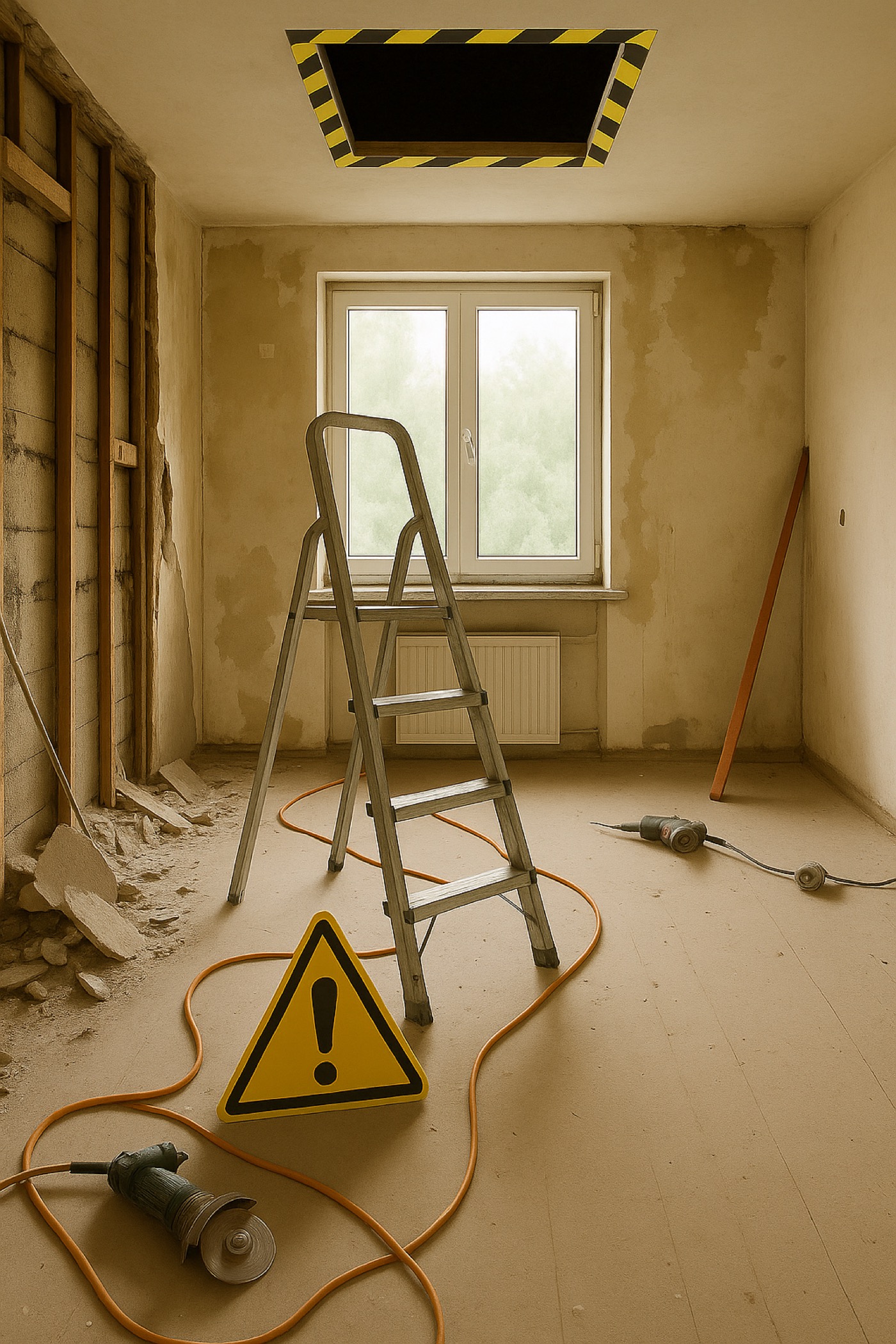
DIY projects are all the rage—who doesn’t love the satisfaction of saving a buck and tackling a home fix yourself? From painting a room to building garden beds, it’s empowering and can boost your home’s value. But at Keathley Claims Consultants, we’ve seen how botched jobs can quickly turn into leaks, fires, or worse, leading to stressful insurance claims. Let’s keep things fun and safe by exploring when to DIY and when to call in the pros, with tips tailored for Ohio homeowners facing everything from humid summers to unpredictable weather.
In our Midwest climate, where storms can expose shoddy work, knowing your limits is key. Think about a simple plumbing tweak gone wrong, flooding your kitchen and soaking cabinets—sudden disasters like that might be covered, but gradual issues from poor workmanship often aren’t.
Why Be Cautious with DIY Now?
Home improvement is booming, with over 50% of homeowners tackling projects on their own each quarter in 2025.thefarnsworthgroup.com But the risks are real: Annually, home injuries cause more than 30,000 deaths and 12 million nonfatal incidents, with DIY accidents playing a big role.lawnstarter.com Falls lead the pack at 2,103.50 accidents per 100,000 people, often from ladders or slippery surfaces during renos.insurance-edge.net Lacerations make up 43.9% of DIY-related ER visits, frequently injuring fingers, hands, or eyes—think power tools mishaps.reginahomebuilders.comnar.realtor In fact, home improvement blunders send hundreds of thousands to the ER yearly, with over 125,000 fatal home accidents overall.coverager.comnocry.com On the insurance side, common DIY errors like unpermitted work or faulty electrical can void coverage, delay claims, or even cancel your policy.savingadvice.com Standard homeowner’s policies often exclude damage from poor workmanship, especially for major structural changes.acceptance.comthisoldhouse.com With Ohio’s insurance rates up due to weather woes, avoiding these pitfalls can save you big.
Signs It’s Time to Call a Pro
Not every project needs a professional, but some scream “hands off” to prevent accidents or denied claims. Here are key red flags, based on common mistakes we’ve encountered:
-
Complex Wiring or Electrical Work: Messing with outlets, panels, or rewiring? One wrong connection can spark fires or shocks. Unqualified electrical DIY is a top policy-voider—always hire a licensed electrician to comply with codes.savingadvice.comthesun.co.uk
-
Structural Changes: Removing walls? Check if they’re load-bearing first—a collapse could injure someone and lead to massive claims. Permits are crucial here; skipping them often invalidates insurance.savingadvice.comacceptance.com
-
Anything Involving Water or Gas: Plumbing fixes like pipe repairs or fixture installs can cause floods if seals fail. Gas lines are even riskier—leaks mean explosions. These are frequent claim triggers from DIY gone awry.savingadvice.com
-
Roof Repairs or High-Altitude Work: Climbing ladders for shingles or gutters? Falls are rampant, with tens of thousands injured yearly.greenbergrubylaw.com Botched roofs lead to leaks not covered if workmanship is blamed.savingadvice.com
-
Drilling into Walls Without Checks: Hitting pipes or wires while hanging shelves? It’s a classic error causing water damage or shorts.thesun.co.uk Use stud finders and pipe detectors to avoid.
If it’s beyond basic tools or requires permits, pros ensure code compliance and reduce liability.
Five Safe DIY Ideas to Try
Stick to low-risk projects that freshen your home without courting danger. These are beginner-friendly and unlikely to trigger claims:
-
Painting Walls: A fresh coat transforms a room with minimal risk—just use drop cloths to avoid slips. It’s cosmetic, so insurance rarely gets involved unless a spill causes unrelated damage.
-
Installing Shelves: Mount on studs for stability—use a level and anchors. Great for organization, and if it fails, it’s usually just cosmetic fixes covered under standard policies.
-
Building Garden Beds: Outdoor fun with raised planters; dig, assemble, and fill. Weather exposure means checking for rot, but no major risks or permits needed.
-
Swapping Light Fixtures: If you’re comfortable with basics (turn off power first), it’s doable. Stick to simple swaps to avoid electrical claims—pros for anything complex.
-
Caulking Windows or Doors: Seals drafts easily with a caulk gun, improving energy efficiency. Prevents minor water intrusion, potentially lowering future claims from weather damage.
Always wear safety gear, follow tutorials, and stop if unsure.
Common Pitfalls and Insurance Insights
A huge mistake? Ignoring permits or building codes—58% of DIY projects go over budget due to fixes, and unpermitted work can deny claims entirely.hippo.comacceptance.com Homeowner’s insurance might cover “sudden and accidental” DIY blunders, like a burst pipe from your fix, but not gradual wear or poor quality.reddit.comkellerinsurance.com Attempting repairs without notifying your insurer could invalidate policies or reduce payouts.vosslawfirm.com Other pitfalls: Not documenting “before” states, delaying claims (evidence fades), or underestimating costs.worthinsurance.comhomeperfectsocal.com In Ohio, where renos are popular, review your policy for DIY limitations and consider add-ons like personal liability for injuries.
If a DIY disaster strikes, act fast: Document damage thoroughly, mitigate issues, and file promptly. But if the process overwhelms or the offer seems low, that’s where we at Keathley Claims Consultants shine—we advocate to ensure you’re not shortchanged.
DIY doubts? Chat with us for a no-pressure review of your coverage or project advice. We’re your trustworthy guides to keeping home improvements safe and claim-free. Stay handy, Ohio!
For more tips, visit keathleyclaims.com/news.