

Storm Season Prep: Protect Your Home & Insurance Claim | Ohio | Keathley Claims
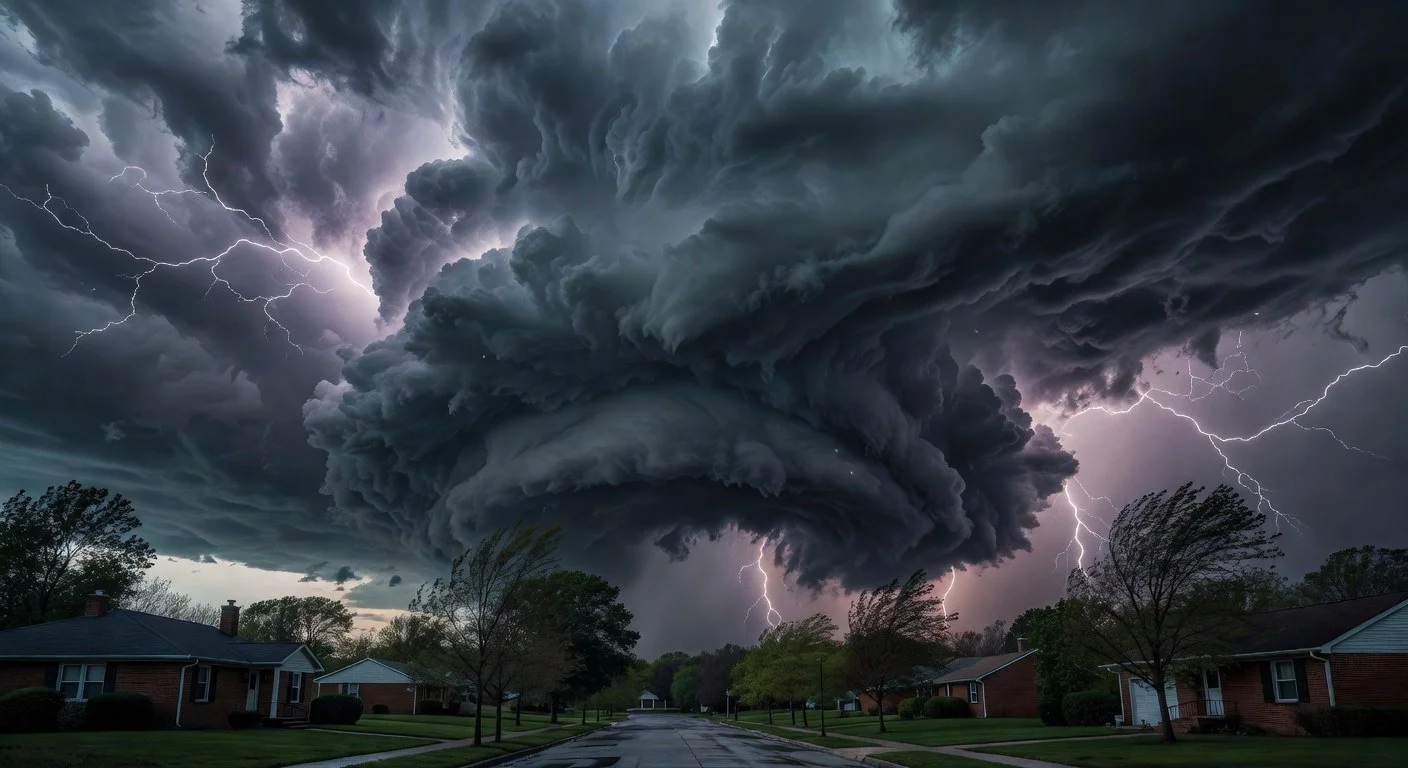
If you live in Ohio, you know what's coming.
March through June brings severe thunderstorms, hail, tornadoes, and damaging winds. The National Weather Service recorded 62 tornadoes in Ohio in 2023 alone, with countless more hail and wind events that damaged homes across the state.
Storm season is inevitable. But being caught unprepared when it comes to your property and your insurance claim? That's optional.
Here's your complete guide to protecting your home and your wallet before the first storm hits.
Ohio Storm Season: What You're Up Against
Ohio sits in a unique geographic position that makes it particularly vulnerable to severe weather:
- Tornado Alley's Eastern Edge — We get the tail end of the most active tornado region in the world
- Great Lakes Influence — Lake Erie creates temperature differentials that fuel severe storms
- Jet Stream Position — Ohio sits right in the path of the jet stream during spring months
Peak storm season: April through June
Most common damage: Hail, straight-line winds, and tornado damage to roofs, siding, and windows
The bad news? You can't prevent storm damage.
The good news? You can prepare for it.
Pre-Storm Preparation: Document Your Property NOW
The most important thing you can do for your insurance claim happens before any storm hits: document your property in its current condition.
Create a Property Inventory
Take photos and video of your home's exterior from every angle:
- All four sides of your house — Include close-ups of siding, trim, and architectural details
- Your entire roof — If it's safe, get on a ladder or use a drone. Document shingle condition, gutters, downspouts
- Windows and doors — Any existing damage should be clearly documented as pre-existing
- Landscaping — Trees, bushes, fencing, outdoor structures
- HVAC units — Condenser units are frequent hail targets
Pro tip: Use your phone to record a "walkthrough" video while describing what you're showing. Date and timestamp are automatic.
**Store Documentation Safely**
- Cloud storage — Upload everything to Google Drive, iCloud, or Dropbox
- Email yourself — Send the files to your email as a backup
- Physical copies — Print key photos and store them somewhere safe
Why this matters: After storm damage, insurance adjusters will try to claim obvious damage was "pre-existing." **Your pre-storm photos prove it wasn't.**
What to Do Immediately After Storm Damage
When a storm hits and damages your property, your actions in the first 24-48 hours can make or break your insurance claim.
Step 1: Safety First
- Don't enter damaged structures — They may be unstable
- Avoid downed power lines — Assume they're energized
- Watch for standing water — It may be electrically charged
If your home is severely damaged, find alternative shelter and wait for professional assessment.
Step 2: Document Everything
As soon as it's safe:
- Take photos of all damage — Roof, siding, windows, gutters, landscaping
- Take wide shots and close-ups — Show the big picture and the details
- Photo any debris — Hail stones, tree branches, damaged materials
- Don't clean up yet — Leave everything as-is until after documentation
Step 3: Prevent Further Damage
You have a duty under your insurance policy to prevent additional damage. This means:
- Tarp damaged roofs — But take photos first
- Board up broken windows — Save the broken glass for the adjuster to see
- Remove standing water — But document it first
Important: Keep all receipts for emergency repairs. Your insurance company must reimburse reasonable expenses to prevent further damage.
Step 4: Call Your Insurance Company
Ohio law requires you to report claims "as soon as reasonably possible." Call your carrier's claim line within 24-48 hours.
When you call:
- Get a claim number — Write it down and keep it handy
- Ask about emergency repair coverage — Many policies cover temporary repairs to prevent further damage
- Don't give a detailed statement yet — Just report that damage occurred
Common Storm Claim Pitfalls (And How to Avoid Them)
Pitfall #1: Waiting Too Long
The mistake: Some homeowners wait weeks or months to file storm damage claims, thinking they need estimates first.
Why it's problematic: Insurance policies require prompt reporting. Long delays make it harder to prove the damage was storm-related.
The fix: Report the claim within 48 hours. You can always provide additional information later.
Pitfall #2: Not Documenting Hidden Damage
The mistake: Focusing only on obvious damage (missing shingles) while missing hidden damage (compromised flashing, granule loss).
Why it's problematic: Hidden damage often costs more to repair than obvious damage, but it's harder to prove later.
The fix: Have a professional inspection done before the adjuster arrives. This gives you leverage in negotiations.
Pitfall #3: Accepting the First Offer
The mistake: Insurance adjuster offers a quick settlement and the homeowner accepts without investigating.
Why it's problematic: Initial offers are almost always low. Once you cash the check, you lose the right to seek additional compensation.
The fix: Get your own repair estimate before accepting any settlement. Make sure the insurance money will actually cover the repairs.
Why Storm Claims Are Especially Prone to Underpayment
After major storms, insurance companies get flooded with claims. This creates a perfect storm (pun intended) for underpayments:
Overwhelmed Adjusters
When hundreds of homes are damaged in one event, insurance companies bring in temporary adjusters who:
- Don't know local pricing
- Are incentivized to close files quickly
- May lack experience with your type of damage
"Catastrophe" Pricing
Insurance companies often use "catastrophe pricing" after major storms — artificially low labor rates that don't reflect the actual cost of repairs when contractors are in high demand.
Assembly Line Processing
Instead of individual attention, your claim becomes part of a batch process. Quick in-and-out inspections become the norm.
The Public Adjuster Advantage in Storm Claims
Storm claims are exactly where a public adjuster provides the most value:
- Thorough documentation — While the company adjuster spends 30 minutes on your roof, a PA will spend hours documenting every item of damage.
- Accurate pricing — A PA knows local labor rates and material costs, especially in post-storm conditions.
- Code upgrade expertise — Many repairs require bringing your home up to current building codes. Insurance companies often fight these costs.
- Negotiation leverage — When everyone on your street is getting lowballed, professional representation makes a difference.
Ohio's Insurance Claim Timeline Laws
Under Ohio Administrative Code Rule 3901-1-54, your insurance company must:
- Acknowledge your claim within 15 days of receiving it
- Make a coverage decision within 21 days of receiving your proof of loss
- Pay undisputed amounts within 10 business days of accepting the claim
- Provide status updates every 45 days if the investigation takes longer
A public adjuster knows these deadlines and will hold your insurance company accountable.
Spring Preparation Checklist
Before storm season arrives:
□ Document your entire property with photos/video
□ Upload documentation to cloud storage
□ Review your insurance policy — Know your deductible and coverage limits
□ Identify a reputable contractor — Before you need one
□ Research public adjusters in your area — Just in case
□ Clean gutters and downspouts — Prevent water damage during storms
□ Trim trees near your house — Reduce risk of falling branches
□ Check roof condition — Fix minor issues before they become major problems
After storm damage:
□ Ensure safety first — Don't enter damaged structures
□ Document all damage thoroughly — Photos, video, written notes
□ Prevent further damage — Tarps, boarding, water removal
□ Report to insurance within 48 hours — Get a claim number
□ Don't accept the first offer — Get independent estimates
□ Consider professional representation — Especially for major damage
When to Call a Professional
You should seriously consider hiring a public adjuster for storm damage claims when:
- Damage exceeds $15,000 — The stakes justify professional representation
- Your roof needs replacement — Complex pricing and code issues
- Multiple building components are damaged — Roof, siding, windows, etc.
- Your claim was denied — Professional review can often reverse denials
- The settlement seems insufficient — If it won't cover actual repairs
Don't Wait Until After the Storm
The time to prepare is now — before you need to file a claim.
Document your property. Know your coverage. Understand your rights. Have a plan.
Because when the sirens are blaring and the hail is falling, it's too late to get ready.
---
Storm damage your home? Need help preparing for storm season? Call us at (419) 504-1601 or contact us online for a free consultation → https://keathleyclaims.com/contact