

When Your Insurance Company Is Built to Say No: What the State Farm Oklahoma Case Reveals About Claims Denial Systems
When Your Insurance Company Is Built to Say No: What the State Farm Oklahoma Case Reveals About Claims Denial Systems
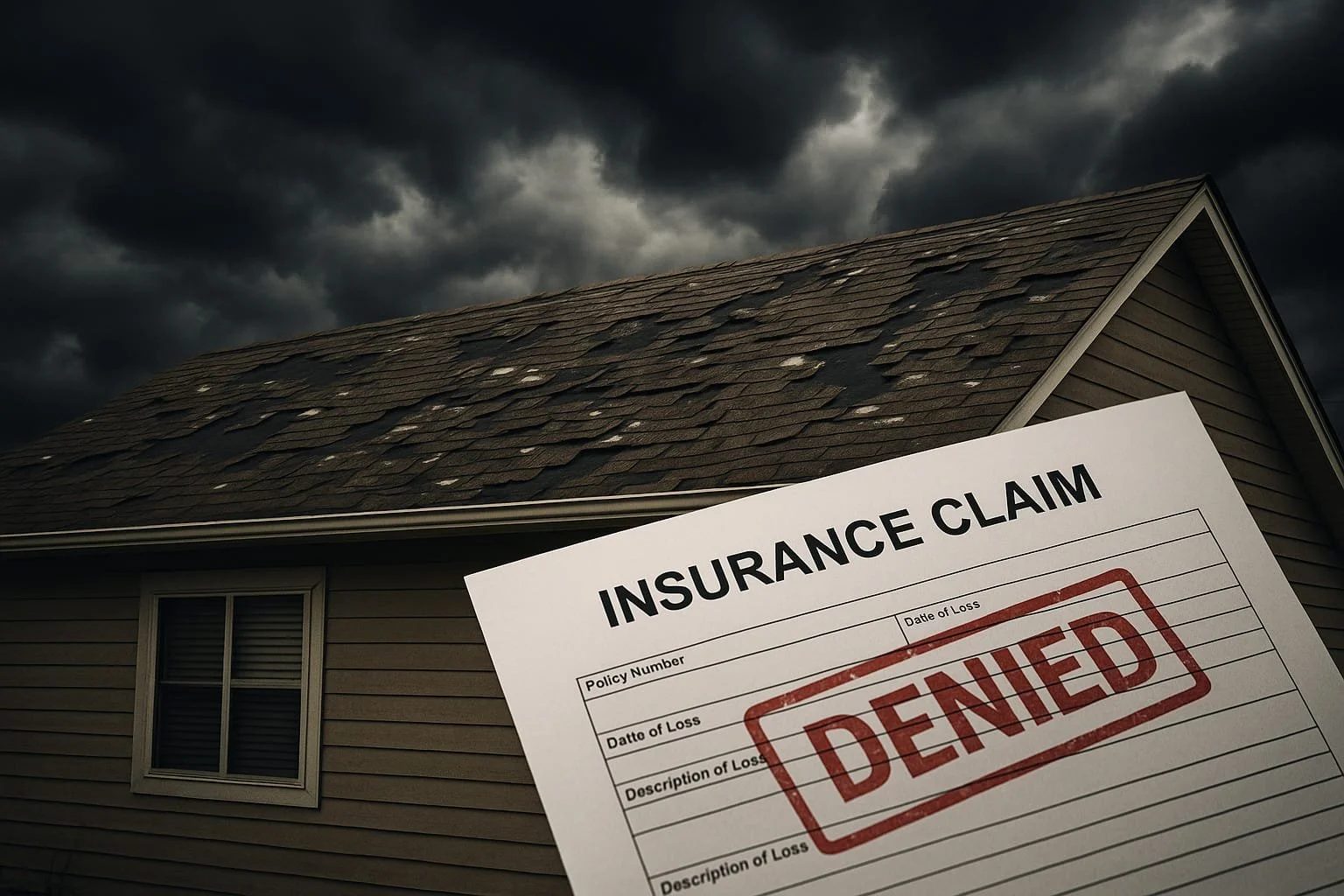
An Oklahoma judge just forced State Farm to hand over its internal playbook. What it reveals should concern every homeowner with an insurance policy.
The Case That's Shaking the Insurance Industry
In one of the most significant insurance bad faith cases in recent memory, an Oklahoma County judge has ordered State Farm — the nation's largest property insurer — to turn over internal documents and make at least five company executives available for depositions.
The reason? Homeowners across Oklahoma allege that State Farm systematically underpaid wind and hail damage claims by redefining what qualifies as damage. Not on a case-by-case basis. As a company-wide practice.
State Farm controls roughly 28-31% of Oklahoma's homeowners insurance market. This isn't a small-town dispute — it could affect hundreds of thousands of policyholders.
What Makes This Case Different
Insurance bad faith lawsuits aren't new. But what sets this apart is the scope:
• Hundreds of similar lawsuits have been filed over several years
• Oklahoma's Attorney General Gentner Drummond has moved to intervene, arguing his office has authority to protect homeowners statewide
• The state Insurance Commissioner ceded regulatory authority to the AG — a rare move that signals how seriously regulators are taking this
• Previous cases settled under confidentiality agreements, meaning the internal documents never went public. This time, plaintiffs want them on the record.
State Farm has fought aggressively to keep these records sealed. They even petitioned the Oklahoma Supreme Court to block the Attorney General's involvement entirely. When your defense strategy is "don't let anyone see how we make decisions," that should tell you something.
The System Behind the Denial
Here's what most homeowners don't understand: insurance companies don't leave claim decisions to chance.
Major carriers invest heavily in internal systems, software, and guidelines that determine how claims are evaluated. These aren't neutral tools — they're built with one priority in mind: minimizing payouts.
Common tactics include:
• Redefining damage thresholds — raising the bar for what "counts" as covered damage so fewer claims qualify
• Algorithmic estimates — using software that consistently produces repair estimates below actual market costs
• Depreciation manipulation — aggressively depreciating materials and labor to reduce settlement amounts
• Delay tactics — dragging out the process hoping policyholders will accept lowball offers or give up entirely
• Adjuster quotas and incentives — rewarding internal adjusters who close claims for less money
The Oklahoma case alleges State Farm did exactly this: created internal processes that systematically reduced what homeowners received, regardless of the actual damage.
Why This Matters Beyond Oklahoma
If you're a homeowner in Ohio — or anywhere in the country — don't think this is just an Oklahoma problem.
These are the same companies insuring your home. The same internal systems. The same corporate decision-making. If State Farm's internal processes are designed to underpay claims in Oklahoma, there's no reason to believe your state is being treated any differently.
Consider this: a couple in Broken Arrow, Oklahoma paid $22,000 out of pocket to replace their roof after a 2023 hailstorm because State Farm denied their claim. How many homeowners across the country are absorbing costs that their insurance should be covering?
What Homeowners Can Do to Protect Themselves
1. Document everything immediately after damage occurs.
Photos, videos, receipts, contractor estimates — the more evidence you have, the harder it is for a carrier to redefine what happened.
2. Don't accept the first offer.
Cyb-KCC, [2/9/2026 10:48 AM]
Insurance companies' initial estimates are often generated by the same systems designed to minimize payouts. Get an independent assessment.
3. Know your policy.
Understand your coverage limits, deductibles, and what's actually covered. Carriers count on policyholders not reading the fine print.
4. Hire a public adjuster.
A public adjuster works for you, not the insurance company. We review your policy, assess the damage independently, and negotiate directly with the carrier to get you what you're actually owed.
5. Don't be afraid to push back.
A denied claim isn't the end of the road. Appeals, supplemental claims, and bad faith complaints are all tools available to you.
The Bottom Line
The Oklahoma case is pulling back the curtain on something the insurance industry has worked hard to keep hidden: the system isn't broken — it's built this way.
When a company fights this hard to prevent a judge, an attorney general, and the public from seeing how they make claims decisions, it tells you everything you need to know about whose interests those decisions serve.
At Keathley Claims, we exist because this system exists. We level the playing field for homeowners who deserve to receive what they've been paying premiums for all along.
If you've had a claim denied or received a settlement that doesn't cover your actual damages, contact us today. We'll review your claim at no cost and tell you exactly where you stand.
Want me to adjust the tone, add anything, or format this for Squarespace? I can also write the LinkedIn post to promote it.