
STOP: That Minor Roof or Siding Repair You Don't Want to File a Claim On Could Cost You Later
Jul 30 • Keathley Claims Consultants
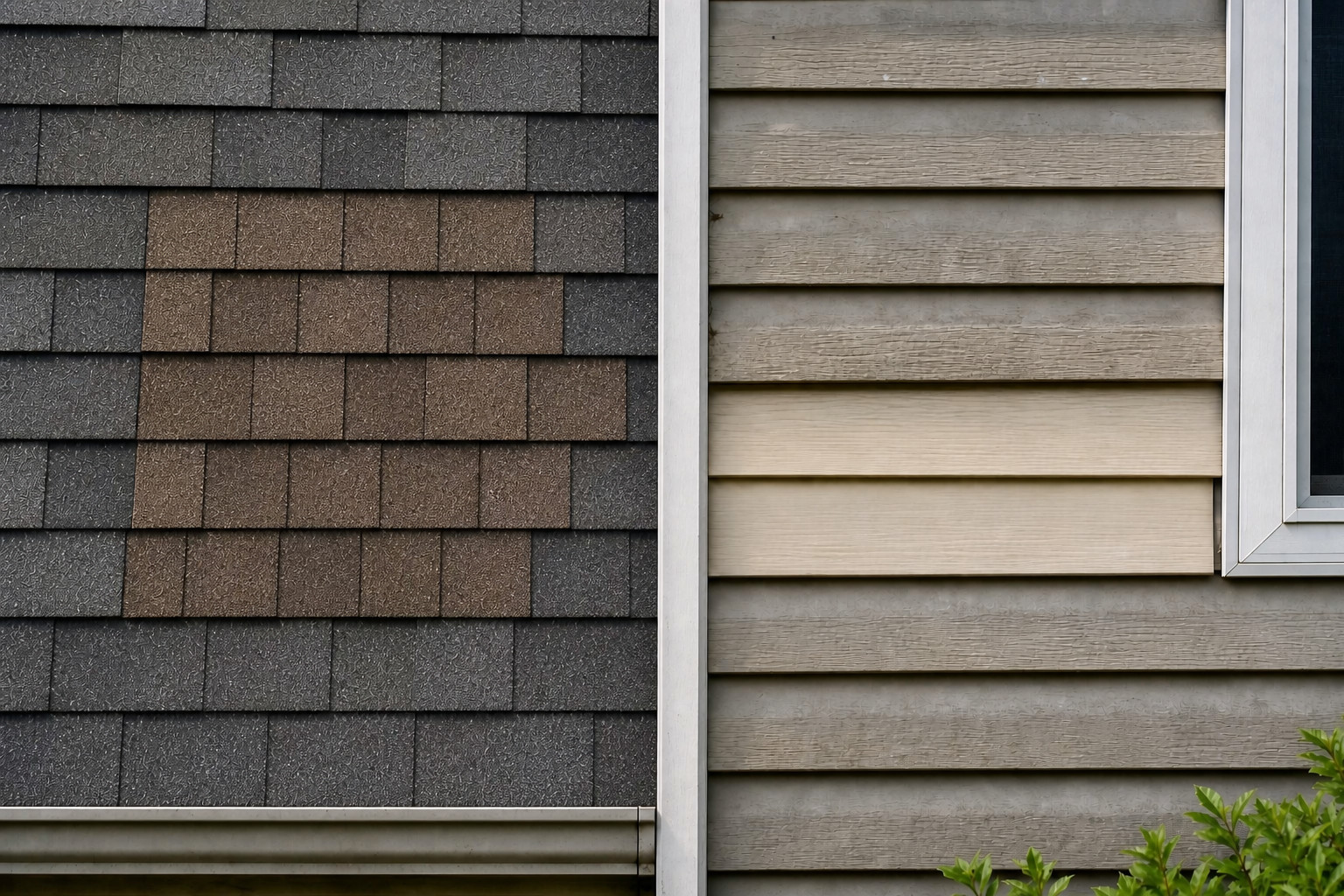
A missing shingle.
One cracked piece of siding.
A small section of wind damage after an Ohio storm.
A few hail hits on a roof or exterior elevation.
A lot of homeowners do not want to file an insurance claim for minor storm damage. They do not want to “bother” the insurance company. They do not want a claim on their record. They just want to pay a contractor out of pocket, make a small repair, and move on.
On the surface, that sounds practical.
But that minor roof repair or siding repair can become a much bigger problem later.
In a future Ohio wind damage claim, hail damage claim, roof claim, or siding claim, the repair a homeowner paid for out of pocket may become the exact thing the insurance company uses against them.
The Problem With “Just Replace One Piece”
Here is how the trap usually works.
A homeowner notices a small amount of storm damage. Maybe one shingle lifted, creased, or blew off. Maybe one piece of vinyl siding cracked. Maybe a few pieces of aluminum siding were dented by hail.
The homeowner decides not to file a property insurance claim because the damage seems too small.
They call a contractor, pay for a quick repair, and the contractor installs the closest available material.
The problem is that “closest available” is not always a true match.
The original roofing or siding may be older, faded, weathered, discontinued, or no longer manufactured. Even when a product looks close in a sample book, it may not match once it is installed on the house.
Now the property has a visible difference in:
- Color
- Size
- Profile
- Texture
- Material
- Manufacturer
- Age
- Weathering
- Exposure
- Installation pattern
That small repair may look harmless today. But it can give the insurance company an argument tomorrow.
How Insurance Companies Weaponize Prior Repairs
The future problem usually shows up during the next storm claim.
Another wind storm hits. Another hail storm rolls through Ohio. The homeowner files a roof damage claim or siding damage claim. The insurance company inspects the property and sees a mismatched section.
Then the carrier starts building its argument:
“There was a previous repair.”
“Different material was already installed.”
“The color difference existed before this loss.”
“The mismatched area is not related to this claim.”
“The policy does not owe to match something that was already mismatched.”
“The prior repair proves the roof or siding had pre-existing issues.”
That is the problem.
The homeowner did what seemed reasonable at the time. They handled minor storm damage without filing a claim. But because the repair used different material, the insurance company may later use that same repair to limit what it owes on a future claim.
Carriers Can’t Have It Both Ways
This is what homeowners and contractors need to understand.
Insurance companies often argue that one damaged shingle or one damaged piece of siding is not enough to justify a larger roof or siding claim.
They may say the damage is minor.
They may say the property is repairable.
They may say only a small patch is owed.
But then, later, if a small repair creates a visible mismatch, the same insurance company may point to that mismatched repair and argue that it does not have to address matching issues on the next claim.
That is the contradiction.
A carrier should not be able to say a minor repair is too small to matter today, then use the color, material, or profile difference from that same repair to reduce a future claim tomorrow.
They cannot have their cake and eat it too.
Why Matching Matters In Roof and Siding Claims
Material matching is not just about cosmetics.
In real-world property insurance claims, matching can affect whether a repair actually restores the property to a reasonably uniform condition.
This is especially important with:
- Older asphalt shingles
- Discontinued shingles
- Slate roofs
- Aluminum siding
- Vinyl siding
- Faded siding elevations
- Weathered roofing materials
- Older exterior materials
- Partial roof repairs
- Prior storm damage repairs
- Mismatched shingles or siding
A replacement shingle may be the wrong color, thickness, size, profile, or manufacturer.
A replacement siding panel may lock differently, reflect light differently, weather differently, or create a visible break across the elevation.
The insurance estimate may look simple on paper. In the real world, the repair can leave the property looking patched, mismatched, and visibly different.
That matters because once different material is installed, the insurance company may later try to treat that mismatch as the homeowner’s problem.
The Contractor’s Role
Contractors need to be careful with this.
If a homeowner asks for a small storm repair, it may feel like a simple service call. Replace one shingle. Swap one piece of siding. Fix the obvious damage. Get paid. Move on.
But if the damage was caused by wind or hail, that “simple” repair may affect the homeowner’s future insurance claim rights.
Before performing a minor roof repair or siding repair after storm damage, contractors should make sure the homeowner understands the risk.
If the repair requires a different color, profile, size, brand, texture, or material, that mismatch may be used by the insurance company later.
That does not mean every small repair automatically needs to become a full roof claim or full siding claim.
It does mean homeowners should make informed decisions before changing the condition of the property.
Photos, documentation, material information, storm date details, and a proper claim review matter.
What Homeowners Should Do Before Paying Out Of Pocket
If you have minor storm damage, slow down before paying for a quick patch.
Before replacing one shingle or one piece of siding, document the condition of the property.
Take clear photos of:
- The damaged area
- The surrounding roof or siding
- The full elevation
- The date of damage if known
- Any missing, cracked, lifted, creased, or dented materials
- Any proposed replacement material
- Any difference in color, size, profile, or texture
Then get the damage reviewed by someone who understands Ohio property insurance claims, storm damage claims, roof claims, siding claims, and material matching disputes.
The key is not simply whether the damage looks small.
The key is whether the repair will create a mismatch that can be used against you later.
When Minor Damage Becomes A Major Claim Issue
Minor damage can become a major claim issue when the damaged material cannot be replaced with something that reasonably matches.
That can happen because:
- The original product is discontinued
- The color has faded over time
- The manufacturer changed the profile
- The same size is no longer available
- The replacement material has a different texture
- The roof or siding has aged unevenly
- The repair area is highly visible
- The slope or elevation cannot be repaired uniformly
- The carrier estimate ignores real-world matching conditions
This is why homeowners should not assume “small damage” means “small insurance issue.”
Sometimes one damaged shingle or one damaged siding panel is exactly where the larger dispute begins.
Do Not Let A Carrier Use Your Prior Repair Against You
If your insurance company is using prior repairs, mismatched shingles, mismatched siding, discontinued materials, wear and tear, pre-existing damage, color differences, or different materials as a reason to limit your roof or siding claim, do not accept their number without a second look.
A carrier’s first estimate is not always the full amount owed.
A repair that looks simple in an insurance estimate can create a much bigger matching issue on the property.
And a small out-of-pocket repair that seemed harmless at the time can become the exact reason the insurance company tries to underpay a future claim.
Get A Free Ohio Claim Review
Keathley Claims Consultants helps Ohio homeowners with underpaid, denied, and disputed property insurance claims.
We review roof damage claims, siding damage claims, wind damage claims, hail damage claims, storm damage claims, fire damage claims, water damage claims, matching disputes, discontinued material issues, and insurance company lowball estimates.
If you have storm damage, do not guess.
If your insurance company is limiting your claim because of a prior repair or mismatched material, do not let them have the final word.
Call Keathley Claims Consultants today for a free claim review.
Keathley Claims Consultants
Ohio Public Adjuster License #1367111
(419) 504-1601
Tags